
Leveraging ecologists in land development: What their expertise can bring to ESC and landscape architecture
by Kim Logan
View post
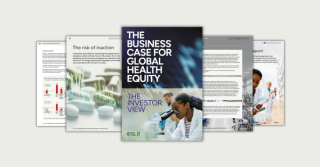
The Business Case for Global Health Equity: The Investor View, published by SLR, and commissioned by the Gates Foundation, explores how improving access to medicines in low- and middle-income countries can drive commercial success for innovation-based pharmaceutical companies while progressing global health equity. The report captures the views of a group of investors representing a cross-section of international investors, including analysts from fundamental, impact and stewardship teams.
Representatives from the following organisations participated in the discussion series that informed the report: BNP Paribas Asset Management, Columbia Threadneedle Investments, Legal & General Asset Management, Lombard Odier Investment Managers, M&G Investments, Nomura Asset Management, PGGM, Principles for Responsible Investment (PRI), Robeco, Stewart Investors
Download the report
The global pharmaceutical industry’s revenue and profits have predominantly been concentrated on a narrow set of 10 to 15 established high-income countries. However, the report identifies the macro-trends that signal the need for the sector to reassess this strategy:
The report suggests a staged approach that pharma companies can use to evolve their current approaches to doing business in low- and middle-income countries into a self-sustaining commercial presence.
The report also gives practical guidance to fellow investors on the key questions to ask their portfolio companies to kick-start engagement on this important topic.
Together, let’s identify drivers for sustainable growth, innovation, and resilience in your organisation.
Get in touch-------------------------
References:
[1] https://www.spglobal.com/en/research-insights/special-reports/look-forward/emerging-markets-a-decisive-decade
by Kim Logan

by Michelle Gluck, Graeme Precious
by Jessica Barua